


Your feet are covered most of the day. If you're diabetic, periodic screening is important for good health. Numbness is often a sign of diabetic foot and can mask a sore or wound.
Your feet are covered most of the day. If you're diabetic, periodic screening is important for good health. Numbness is often a sign of diabetic foot and can mask a sore or wound.
 Research has shown the majority of people who enjoy running and jogging will experience a minimum of one injury per year. This is due to improper training techniques or failing to warm the muscles up adequately before running. The thought of injuries incurred while running, will typically affect most joggers negatively, depending on the severity of the injury. Serious mishaps may represent mandatory time off from this sport, so proper healing can commence. Some of the injuries that are feared is Achilles tendinitis, which generally affects the back of the heel and calf. This may be able to prevent by stretching the Achilles tendon, and this is often accomplished by standing on a step and raising the heel up, followed by lowering it down. Additionally, shin splints is a common injury that many runners endure, and this may be prevented by wearing the correct shoes while running, in addition to strengthening the calves. Please speak with a podiatrist if you would like additional information about how to prevent running injuries.
All runners should take extra precaution when trying to avoid injury. If you have any concerns about your feet, contact Dr. Thomas Tran of Southwestern Foot & Ankle Associates, P.C.. Our doctor will treat your foot and ankle needs.
How to Prevent Running Injuries
There are a lot of mistakes a runner can make prior to a workout that can induce injury. A lot of athletes tend to overstretch before running, instead of saving those workouts for a post-run routine. Deep lunges and hand-to-toe hamstring pulls should be performed after a workout instead of during a warmup. Another common mistake is jumping into an intense routine before your body is physically prepared for it. You should try to ease your way into long-distance running instead of forcing yourself to rush into it.
More Tips for Preventing Injury
If you have any questions, please feel free to contact our office located in Frisco, TX . We offer the newest diagnostic and treatment technologies for all your foot care needs.

You don't need an excuse to have beautiful nails. Step outside without worrying about the appearance of your feet.
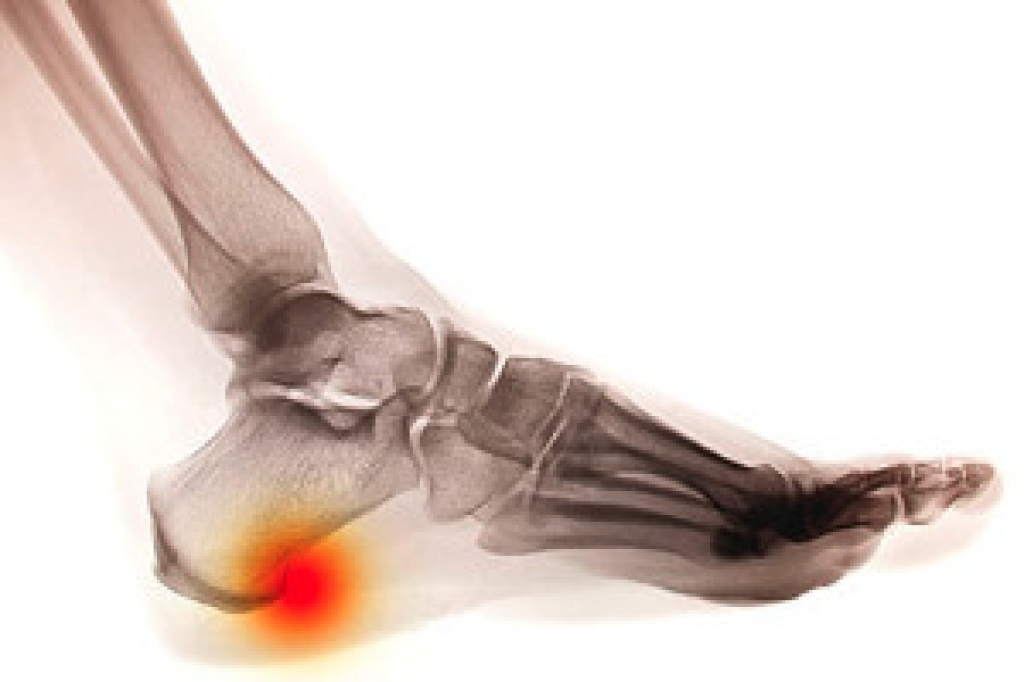 A small bony protrusion that forms on the bone of the heel is often referred to as a heel spur. It may be located at the back of the heel or underneath it, and may produce severe pain and discomfort. The Achilles tendon may be affected if this condition forms at the back of the heel and as a result, pain may be felt while walking or running. If the spur develops on the bottom of the foot, it may be near the plantar fascia, and a condition known as plantar fasciitis may develop. This will often inflame this band of tissue that connects the foot to the heel, and patients who have this ailment may often experience severe pain in the sole of the foot. A proper diagnosis may include having an X-ray performed, followed by possibly choosing shoes with a cushioned sole, which may help to relieve pain that may originate from the inflammation. It’s important to confer with a podiatrist to learn what the best treatment options are for you.
Heel spurs can be incredibly painful and sometimes may make you unable to participate in physical activities. To get medical care for your heel spurs, contact Dr. Thomas Tran from Southwestern Foot & Ankle Associates, P.C.. Our doctor will do everything possible to treat your condition.
Heels Spurs
Heel spurs are formed by calcium deposits on the back of the foot where the heel is. This can also be caused by small fragments of bone breaking off one section of the foot, attaching onto the back of the foot. Heel spurs can also be bone growth on the back of the foot and may grow in the direction of the arch of the foot.
Older individuals usually suffer from heel spurs and pain sometimes intensifies with age. One of the main condition's spurs are related to is plantar fasciitis.
Pain
The pain associated with spurs is often because of weight placed on the feet. When someone is walking, their entire weight is concentrated on the feet. Bone spurs then have the tendency to affect other bones and tissues around the foot. As the pain continues, the feet will become tender and sensitive over time.
Treatments
There are many ways to treat heel spurs. If one is suffering from heel spurs in conjunction with pain, there are several methods for healing. Medication, surgery, and herbal care are some options.
If you have any questions, please feel free to contact our office located in Frisco, TX . We offer the newest diagnostic and treatment technologies for all your foot care needs.

Do you suffer from heel pain when you get up in the morning? If so, you should seek professional help and have a proper diagnosis performed. Heel pain can be caused by several different foot-related conditions.



Copyright © Southwestern Foot and Ankle Associates, P.C. | Site Map | Nondiscimination | Design by: Podiatry Content Connection