(972) 335-9071


Southwestern Foot and Ankle Associates, P.C
11500 Highway 121, Building 700, Suite 710
Frisco, TX 75035

Blog

A Closer Look at Foot Pain From Sesamoiditis

Sesamoiditis, while not a widely recognized term, is a relatively common condition that can cause discomfort in the feet. It occurs when there is inflammation or irritation of the sesamoid bones, two small, pea-shaped bones that are located beneath the big toe. These tiny bones play a significant role in weight-bearing and help control the tendons that flex and move the toe. Sesamoiditis is often associated with repetitive stress, particularly in activities such as dancing, running, or high-impact sports, which place a strain on the forefoot. A common symptom is persistent pain in the ball of the foot, just beneath the big toe. This pain can be sharp or dull, and it typically worsens with activities that involve pushing off the toes, like running or jumping. Understanding sesamoiditis is crucial for those experiencing foot pain in this area, as it can be effectively managed. If you have pain or discomfort in this area of your foot, it is suggested that you consult a podiatrist who can accurately diagnose, treat, and manage sesamoiditis.

Sesamoiditis is an unpleasant foot condition characterized by pain in the balls of the feet. If you think you’re struggling with sesamoiditis, contact Dr. Thomas Tran of Southwestern Foot & Ankle Associates, P.C.. Our doctor will treat your condition thoroughly and effectively.

Sesamoiditis

Sesamoiditis is a condition of the foot that affects the ball of the foot. It is more common in younger people than it is in older people. It can also occur with people who have begun a new exercise program, since their bodies are adjusting to the new physical regimen. Pain may also be caused by the inflammation of tendons surrounding the bones. It is important to seek treatment in its early stages because if you ignore the pain, this condition can lead to more serious problems such as severe irritation and bone fractures.

Causes of Sesamoiditis

  • Sudden increase in activity
  • Increase in physically strenuous movement without a proper warm up or build up
  • Foot structure: those who have smaller, bonier feet or those with a high arch may be more susceptible

Treatment for sesamoiditis is non-invasive and simple. Doctors may recommend a strict rest period where the patient forgoes most physical activity. This will help give the patient time to heal their feet through limited activity. For serious cases, it is best to speak with your doctor to determine a treatment option that will help your specific needs.

If you have any questions, please feel free to contact our office located in Frisco, TX . We offer the newest diagnostic and treatment technologies for all your foot care needs.

Read more about Sesamoiditis

Foot and Ankle Stress Fractures

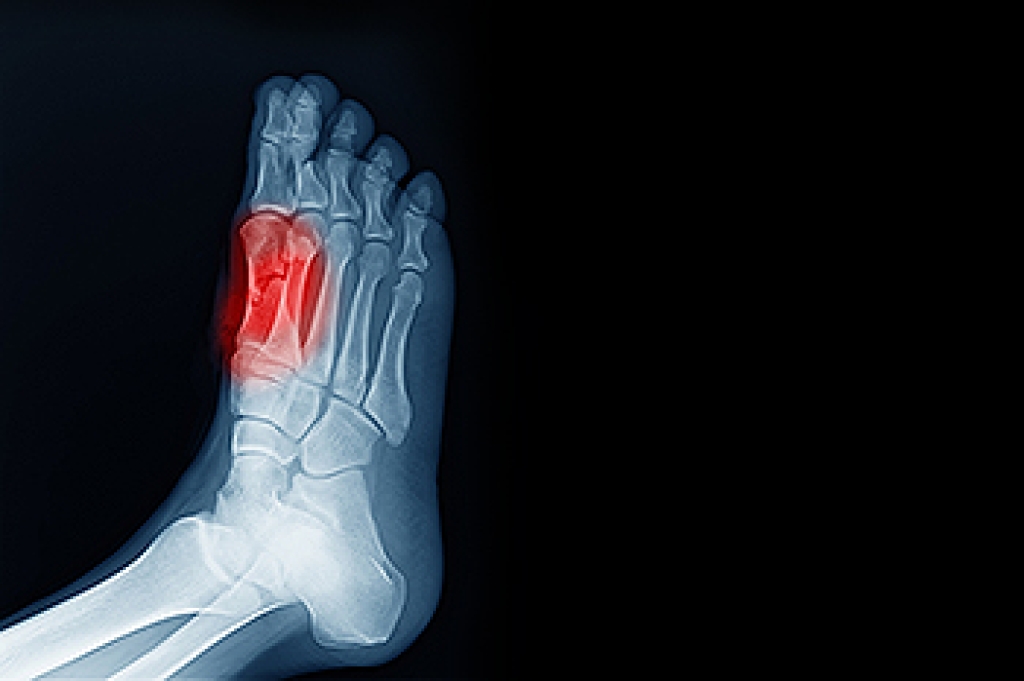
Stress fractures are tiny, gradual bone cracks caused by overuse or repetitive activities, common in athletes. Unlike sudden regular fractures, they develop over time, often affecting the feet and lower limbs. Risk factors include excessive stress, hard surfaces, and rapid changes in exercise intensity. Other causes are weak muscles, joint issues, osteoporosis, medications, poor footwear, and vitamin deficiencies. Symptoms include localized pain, swelling, tenderness, and discomfort during high-impact activities. Diagnosis involves a physical assessment, potentially followed by an X-ray or MRI. Treatment includes rest, compression, training modification, and low-impact activities. Supportive footwear, custom foot orthotics, anti-inflammatories, and exercises can also help. Surgery may be needed in severe cases. Ignoring stress fractures can lead to complete fractures, non-healing, bone necrosis, and surgery. If you are experiencing foot or ankle pain, it is strongly suggested that you make an appointment with a podiatrist who can properly diagnose the issue and provide treatment options.

Activities where too much pressure is put on the feet can cause stress fractures. To learn more, contact Dr. Thomas Tran from Southwestern Foot & Ankle Associates, P.C.. Our doctor can provide the care you need to keep your pain free and on your feet.

Dealing with Stress Fractures of the Foot and Ankle

Stress fractures occur in the foot and ankle when muscles in these areas weaken from too much or too little use.  The feet and ankles then lose support when walking or running from the impact of the ground. Since there is no protection, the bones receive the full impact of each step. Stress on the feet can cause cracks to form in the bones, thus creating stress fractures.

What Are Stress Fractures?

Stress fractures occur frequently in individuals whose daily activities cause great impact on the feet and ankles. Stress factors are most common among:

  • Runners                                
  • People affected with Osteoporosis
  • Tennis or basketball players
  • Gymnasts
  • High impact workouts

Symptoms

Pain from the fractures occur in the area of the fractures and can be constant or intermittent. It will often cause sharp or dull pain with swelling and tenderness. Engaging in any kind of activity which involves high impact will aggravate pain.

If you have any questions please contact our office located in Frisco, TX . We offer the newest diagnostic and treatment technologies for all your foot and ankle needs.

Read more about Dealing with Stress Fractures of the Foot and Ankle

All About Ankle Sprains

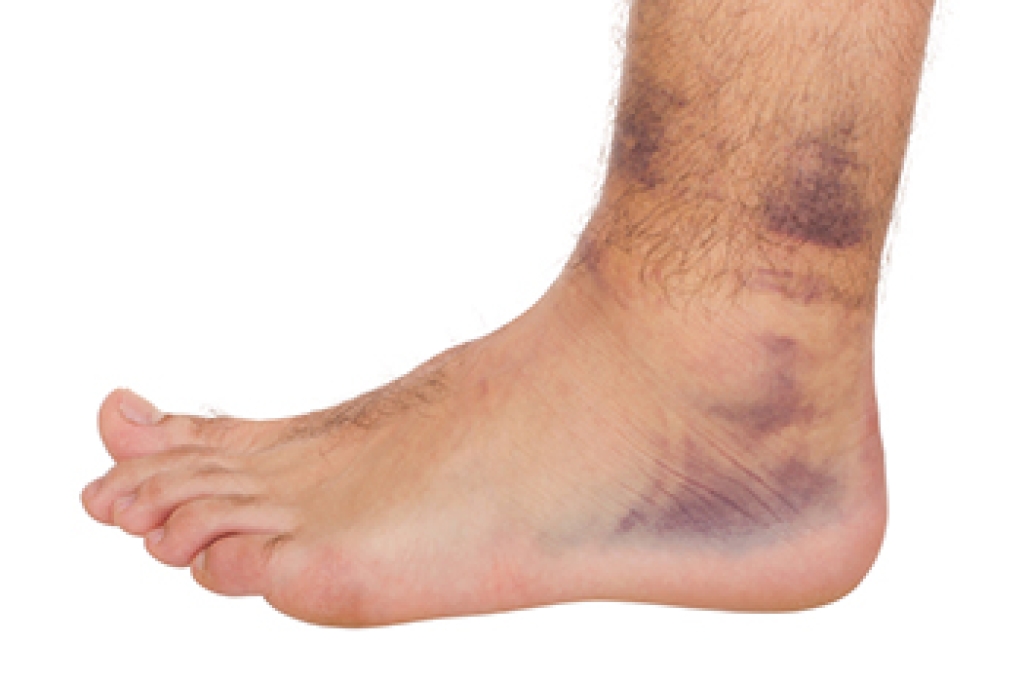
The ankle is fortified by ligaments that serve to prevent bone displacement. An ankle sprain occurs when these ligaments stretch or tear beyond their normal range. The severity of sprains ranges from minor stretching to partial ligament tears, and finally complete ligament ruptures. Symptoms of ankle sprains include pain, swelling, bruising, stiffness, and sometimes numbness. While mild sprains usually resolve within weeks, moderate to severe cases may persist for up to a year. Ankle sprains frequently stem from physical activities or uneven surfaces, particularly affecting individuals with weak muscles or high arches. Diagnosis requires a podiatrist's examination and may include X-rays or MRI scans to assess ligament damage. Higher-grade sprains may call for immobilization with casts, boots, or braces, followed by stretching and strengthening exercises. Living with a sprained ankle must be taken seriously to avoid reinjuring the joint because this can easily evolve into a chronic condition. For help dealing with ankle sprains, it is suggested that you make an appointment with a podiatrist who can offer treatment options. 

Ankle sprains are common but need immediate attention. If you need your feet checked, contact Dr. Thomas Tran from Southwestern Foot & Ankle Associates, P.C.. Our doctor can provide the care you need to keep you pain-free and on your feet.

How Does an Ankle Sprain Occur?

Ankle sprains take place when the ligaments in your ankle are torn or stretched beyond their limits. There are multiple ways that the ankle can become injured, including twisting or rolling over onto your ankle, putting undue stress on it, or causing trauma to the ankle itself.

What Are the Symptoms?

  • Mild to moderate bruising
  • Limited mobility
  • Swelling
  • Discoloration of the skin (depending on severity)

Preventing a Sprain

  • Wearing appropriate shoes for the occasion
  • Stretching before exercises and sports
  • Knowing your limits

Treatment of a Sprain

Treatment of a sprain depends on the severity.  Many times, people are told to rest and remain off their feet completely, while others are given an air cast. If the sprain is very severe, surgery may be required.

If you have suffered an ankle sprain previously, you may want to consider additional support such as a brace and regular exercises to strengthen the ankle.

If you have any questions please feel free to contact our office located in Frisco, TX . We offer the newest diagnostic tools and technology to treat your foot and ankle needs.

Read more about Three Grades of Ankle Sprains

Why Live with Pain and Numbness in Your Feet?

Suffering from this type of pain? You may have the foot condition known as Morton's neuroma. Morton's neuroma may develop as a result of ill-fitting footwear and existing foot deformities. We can help.

Orthotics Provide Support and Comfort for Your Feet

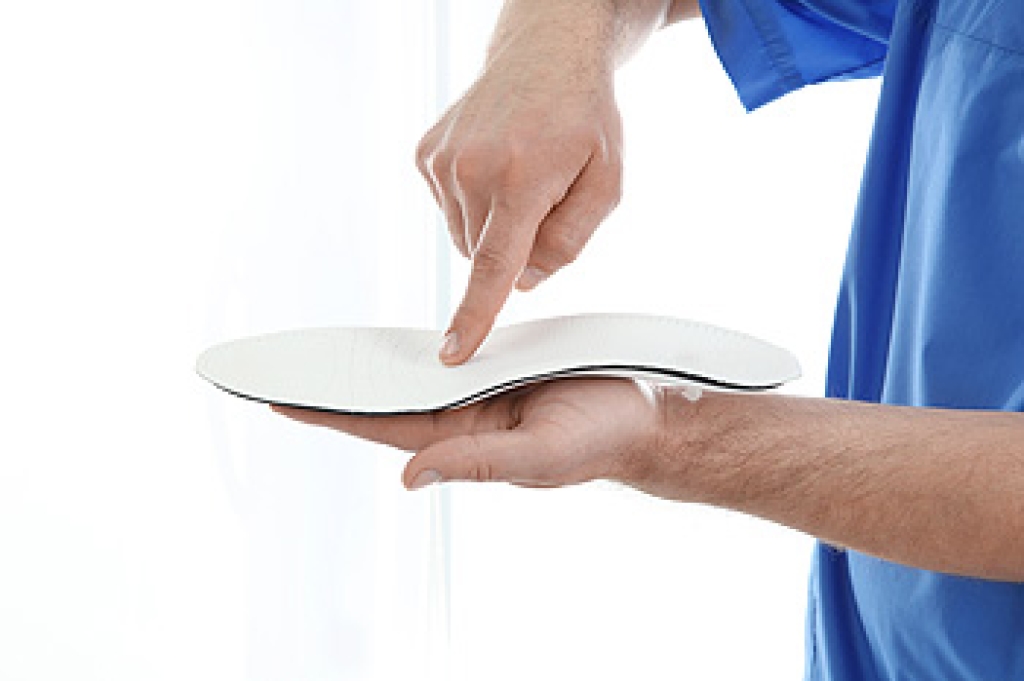
Orthotics refer to custom or prefabricated devices inserted into your shoes to provide support and alleviate various foot and lower limb issues. These inserts are designed to correct abnormal foot function, improve balance, and reduce pain associated with conditions such as flat feet, plantar fasciitis, and bunions. There are several compelling reasons to wear orthotics. They can help redistribute pressure and provide cushioning, which can alleviate discomfort and pain. Orthotics also aid in correcting gait abnormalities, potentially reducing the risk of injuries. For athletes or those on their feet for extended periods, orthotics can enhance performance and endurance. Additionally,  they can contribute to overall body alignment, which can alleviate pain in the knees, hips, and lower back.. Wearing orthotics can significantly improve your quality of life by promoting comfort, stability, and better foot health. If you are interested in learning more about orthotics, it is suggested that you contact a podiatrist who can determine which type is right for you.

If you are having discomfort in your feet and would like to try orthotics, contact Dr. Thomas Tran from Southwestern Foot & Ankle Associates, P.C.. Our doctor can provide the care you need to keep you pain-free and on your feet.

What Are Orthotics?

Orthotics are inserts you can place into your shoes to help with a variety of foot problems such as flat feet or foot pain. Orthotics provide relief and comfort for minor foot and heel pain but can’t correct serious biomechanical problems in your feet.

Over-the-Counter Inserts

Orthotics come in a wide variety of over-the-counter inserts that are used to treat foot pain, heel pain, and minor problems. For example, arch supports can be inserted into your shoes to help correct overarched or flat feet, while gel insoles are often used because they provide comfort and relief from foot and heel pain by alleviating pressure.

Prescription Orthotics

If over-the-counter inserts don’t work for you or if you have a more severe foot concern, it is possible to have your podiatrist prescribe custom orthotics. These high-quality inserts are designed to treat problems such as abnormal motion, plantar fasciitis, and severe forms of heel pain. They can even be used to help patients suffering from diabetes by treating foot ulcers and painful calluses and are usually molded to your feet individually, which allows them to provide full support and comfort.

If you are experiencing minor to severe foot or heel pain, it’s recommended to speak with your podiatrist about the possibilities of using orthotics. A podiatrist can determine which type of orthotic is right for you and allow you to take the first steps towards being pain-free.

If you have any questions, please feel free to contact our office located in Frisco, TX . We offer the newest diagnostic and treatment technologies for all your foot care needs.

Read more about Ankle Foot Orthotics for Athletes
Connect with us
google reviews