(972) 335-9071


Southwestern Foot and Ankle Associates, P.C
11500 Highway 121, Building 700, Suite 710
Frisco, TX 75035

Blog

Common Uses for Orthotics

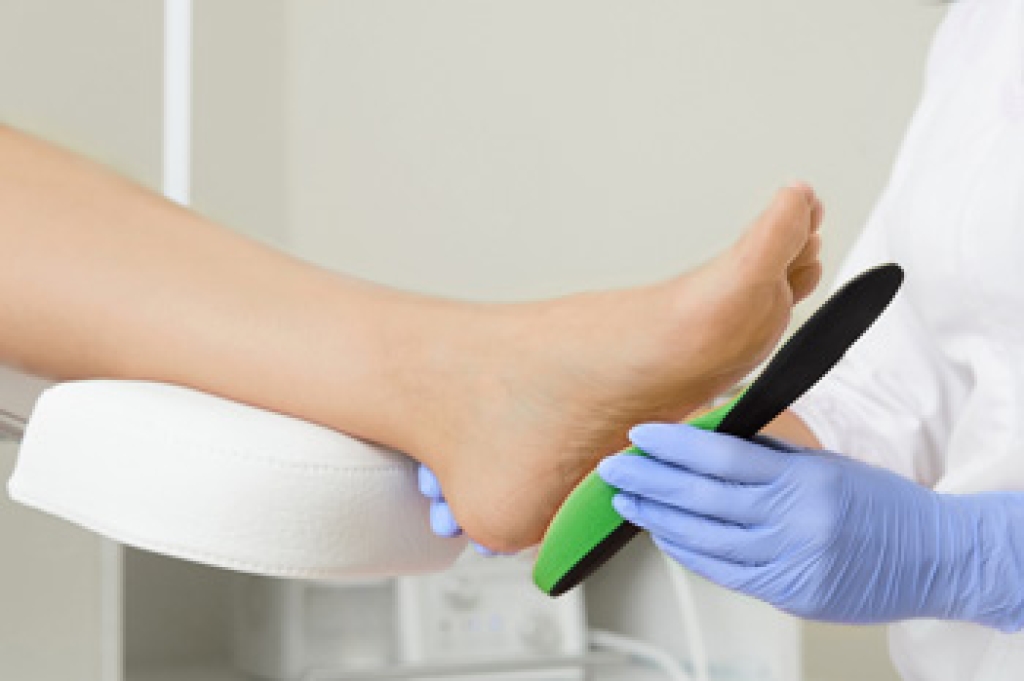
Orthotics are inserted into the shoes and are worn to correct issues with foot alignment or relieve pressure for other foot related issues. Orthotics can also help with problems like knee pain and lower back pain. They can be designed to take stress off of certain areas of the feet, and they can also help support and align the feet properly. Orthotics can be made custom by laser scanning the foot, by using a foam box, or by making a plaster cast. Orthotics can be used to delay surgery, particularly when a child needs to wait for their growth plates to close or for their bones to grow to the needed size. Orthotics may also be used post-surgery to help alleviate pain. If you believe orthotics are right for you, consulting with a podiatrist is suggested.

If you are having discomfort in your feet and would like to try orthotics, contact Dr. Thomas Tran from Southwestern Foot & Ankle Associates, P.C.. Our doctor can provide the care you need to keep you pain-free and on your feet.

What Are Orthotics?

Orthotics are inserts you can place into your shoes to help with a variety of foot problems such as flat feet or foot pain. Orthotics provide relief and comfort for minor foot and heel pain but can’t correct serious biomechanical problems in your feet.

Over-the-Counter Inserts

Orthotics come in a wide variety of over-the-counter inserts that are used to treat foot pain, heel pain, and minor problems. For example, arch supports can be inserted into your shoes to help correct overarched or flat feet, while gel insoles are often used because they provide comfort and relief from foot and heel pain by alleviating pressure.

Prescription Orthotics

If over-the-counter inserts don’t work for you or if you have a more severe foot concern, it is possible to have your podiatrist prescribe custom orthotics. These high-quality inserts are designed to treat problems such as abnormal motion, plantar fasciitis, and severe forms of heel pain. They can even be used to help patients suffering from diabetes by treating foot ulcers and painful calluses and are usually molded to your feet individually, which allows them to provide full support and comfort.

If you are experiencing minor to severe foot or heel pain, it’s recommended to speak with your podiatrist about the possibilities of using orthotics. A podiatrist can determine which type of orthotic is right for you and allow you to take the first steps towards being pain-free.

If you have any questions, please feel free to contact our office located in Frisco, TX . We offer the newest diagnostic and treatment technologies for all your foot care needs.
Read more about Foot Orthotics

What to Look for in Your Child’s Shoes

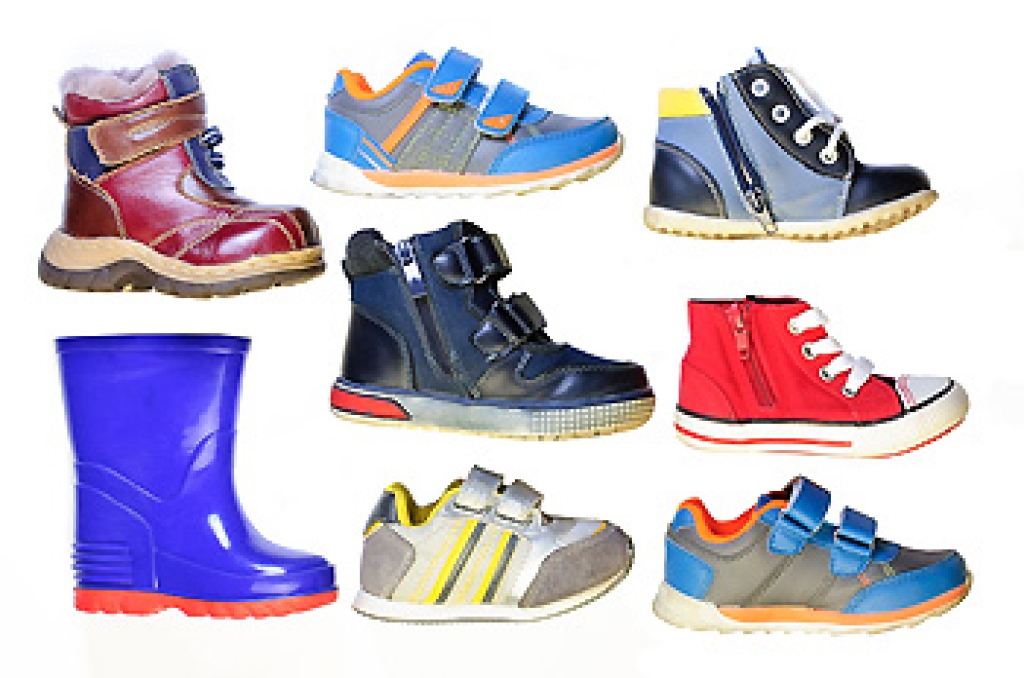
In the first 5 years of a child’s life, their feet grow very fast. Because it is also important that the bones in the feet grow straight, proper footwear is very important. As a baby, the bones in the toes are very soft, and shoes or socks that are too tight can prevent those bones from growing properly. In fact, children generally don’t need shoes until they begin walking on their own. Shoes that fasten with velcro are also important because they can help hold the heel in place and keep the foot from slipping. If you have other questions or concerns about what shoes your child should be wearing, a podiatrist will be able to help make further recommendations.

The health of a child’s feet is vital to their overall well-being. If you have any questions regarding foot health, contact Dr. Thomas Tran of Southwestern Foot & Ankle Associates, P.C.. Our doctor can provide the care you need to keep you pain-free and on your feet.

Tips for Keeping Children's Feet Healthy

  • Make sure their shoes fit properly
  • Look for any signs of in-toeing or out-toeing
  • Check to see if they have Clubfoot (condition that affects your child’s foot and ankle, twisting the heel and toes inward) which is one of the most common nonmajor birth defects.
  • Lightly cover your baby’s feet (Tight covers may keep your baby from moving their feet freely, and could prevent normal development)
  • Allow your toddler to go shoeless (Shoes can be restricting for a young child’s foot)
  • Cut toenails straight across to avoid ingrown toenails
  • Keep your child’s foot clean and dry
  • Cover cuts and scrapes. Wash any scratches with soap and water and cover them with a bandage until they’ve healed.

If you have any questions, please feel free to contact our office located in Frisco, TX . We offer the newest diagnostic and treatment technologies for all your foot care needs.
Read more about How to Care for Your Child's Feet

Fungi That Cause Toenail Infections

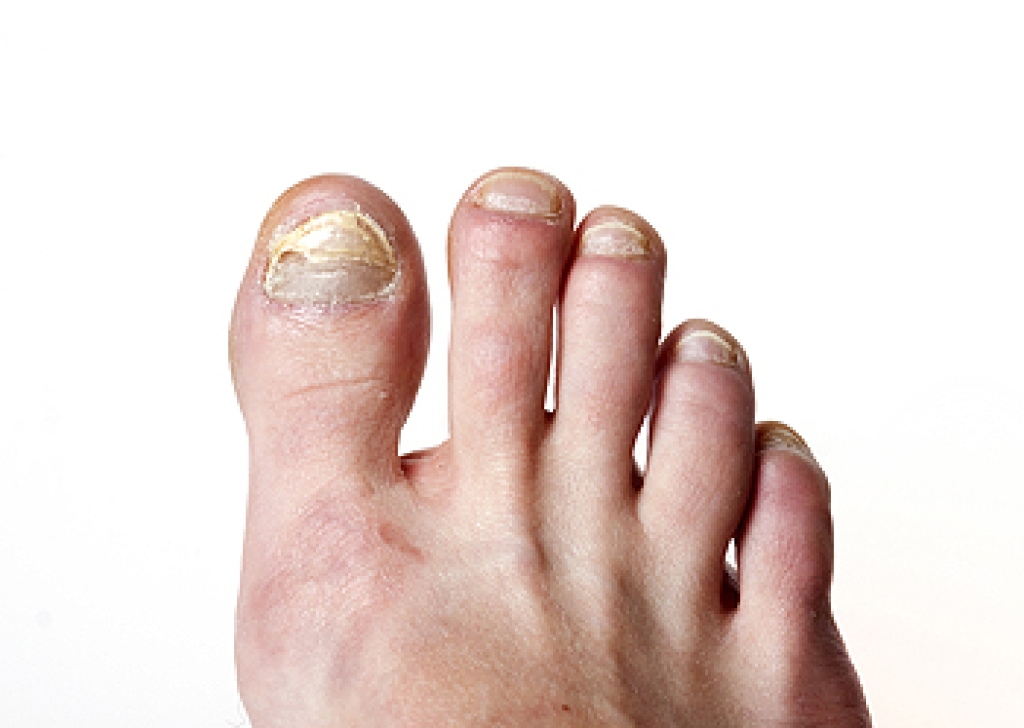
Fungi are microorganisms that get their nutrients from a host. There are various kinds of fungi—some of which can cause infections (mycosis). Fungal infections can be spread either through person-to-person contact or exposure to contaminated surfaces. Onychomycosis is a fungus that affects the nails and nail beds—most commonly on the toes. If you have toenail fungus you may notice discoloration or scaling that appears under the nail, your nail may flake or crumble, or even separate from the nail bed. Over time, the nail can thicken and become brittle. If you do have a fungal infection, it may take months, even years to go away—if it all. A podiatrist can test your nail to make a proper diagnosis and treat toenail fungus properly through a variety of treatments including prescription medications, nail debridement, or laser therapy.

For more information about treatment, contact Dr. Thomas Tran of Southwestern Foot & Ankle Associates, P.C.. Our doctor can provide the care you need to keep you pain-free and on your feet.

Toenail Fungus Treatment

Toenail fungus is a condition that affects many people and can be especially hard to get rid of. Fortunately, there are several methods to go about treating and avoiding it.

Antifungals & Deterrence

Oral antifungal medicine has been shown to be effective in many cases. It is important to consult with a podiatrist to determine the proper regiment for you, or potentially explore other options.

Applying foot powder on the feet and shoes helps keep the feet free of moisture and sweat.

Sandals or open toed shoes – Wearing these will allow air movement and help keep feet dry. They also expose your feet to light, which fungus cannot tolerate. Socks with moisture wicking material also help as well.

If you have any questions please contact our office located in Frisco, TX . We offer the newest diagnostic and treatment technologies for all your foot and ankle needs.

Read more about How to Treat Your Toenail Fungus

Three Essential Features of a Good Walking Shoe

If you are planning on walking regularly for more than a half hour at a time, be sure to pick out a pair of walking shoes that have these three essential structural features for optimal cushioning and support. 1) Flexibility: choose a walking shoe that is bendable, allowing for your foot to flex during the rolling heel-to-toe walking stride. 2) Lightweight: a lighter shoe will make it easy to stay spry and energetic on long walks. 3) An Undercut Heel: Avoid flared or big heels that may interfere with the heel-to-toe walking stride and opt for an undercut or straight heel instead. For more information and recommendations on walking shoes that are right for your individual foot and walking style, consult with a podiatrist.

For more information about walking shoes versus running shoes, consult with Dr. Thomas Tran from Southwestern Foot & Ankle Associates, P.C.. Our doctor can measure your feet to determine what your needs are and help you find an appropriate pair of footwear.

Foot Health: The Differences between Walking & Running Shoes

There are great ways to stay in shape: running and walking are two great exercises to a healthy lifestyle. It is important to know that running shoes and walking shoes are not interchangeable. There is a key difference on how the feet hit the ground when someone is running or walking. This is why one should be aware that a shoe is designed differently for each activity.

You may be asking yourself what the real differences are between walking and running shoes and the answers may shock you.

Differences

Walking doesn’t involve as much stress or impact on the feet as running does. However, this doesn’t mean that you should be any less prepared. When you’re walking, you land on your heels and have your foot roll forward. This rolling motion requires additional support to the feet.

Flexibility – Walking shoes are designed to have soft, flexible soles. This allows the walker to push off easily with each step.

If you have any questions, please feel free to contact our office located in Frisco, TX . We offer the newest diagnostic and treatment technologies for all your foot care needs.

Read more about Walking Shoes vs. Running Shoes
Connect with us
google reviews