
(972) 335-9071


Southwestern Foot and Ankle Associates, P.C
11500 Highway 121, Building 700, Suite 710
Frisco, TX 75035

Blog

Why the Top of the Foot Can Hurt When Running

Pain in the top of your foot after running is often caused by inflammation of the tendons that are responsible for lifting and straightening your toes. This condition is known as extensor tendonitis. When these extensor tendons become inflamed, they can cause pain, particularly during activities like running. Factors that contribute to top of the foot pain include overuse, tight calf muscles, or having flat feet, which can place additional strain on the tendons. Wearing shoes that are too tight or poorly fitted may also increase the risk. Pain from extensor tendonitis is typically felt along the top of the foot, often near the shoelaces, and can be accompanied by swelling and a bump on the tendon. If you experience top of the foot pain after running, it is suggested that you schedule an appointment with a podiatrist for a diagnosis and appropriate treatment.

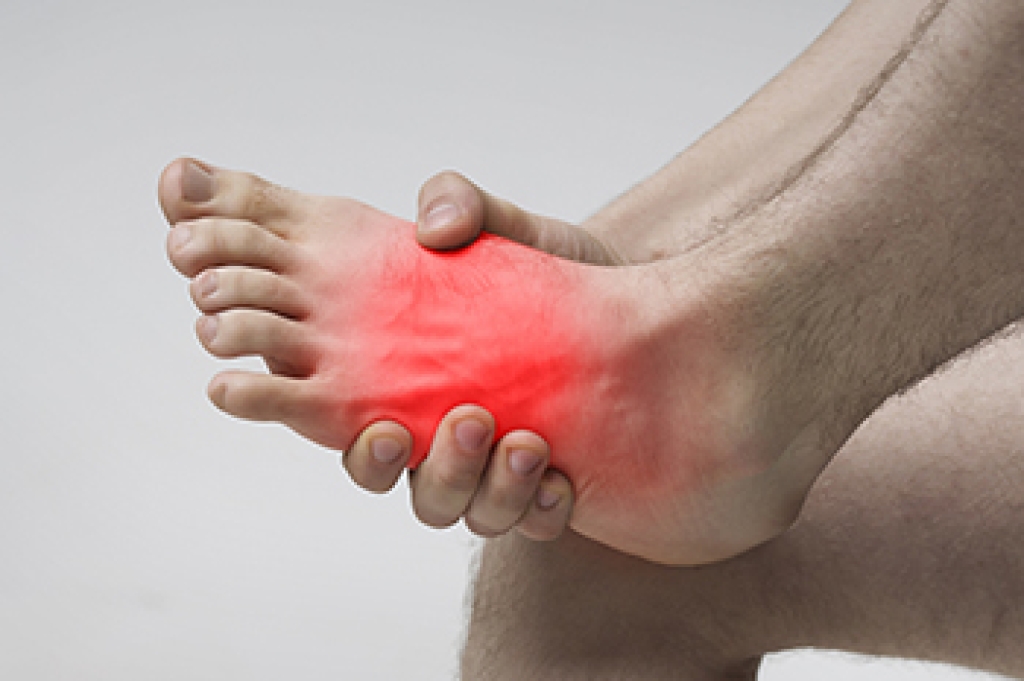
Foot Pain

Foot pain can be extremely painful and debilitating. If you have a foot pain, consult with Dr. Thomas Tran from Southwestern Foot & Ankle Associates, P.C.. Our doctor will assess your condition and provide you with quality foot and ankle treatment.

Causes

Foot pain is a very broad condition that could be caused by one or more ailments. The most common include:

  • Bunions
  • Hammertoes
  • Plantar Fasciitis
  • Bone Spurs
  • Corns
  • Tarsal Tunnel Syndrome
  • Ingrown Toenails
  • Arthritis (such as Gout, Rheumatoid, and Osteoarthritis)
  • Flat Feet
  • Injury (from stress fractures, broken toe, foot, ankle, Achilles tendon ruptures, and sprains)
  • And more

Diagnosis

To figure out the cause of foot pain, podiatrists utilize several different methods. This can range from simple visual inspections and sensation tests to X-rays and MRI scans. Prior medical history, family medical history, and any recent physical traumatic events will all be taken into consideration for a proper diagnosis.

Treatment

Treatment depends upon the cause of the foot pain. Whether it is resting, staying off the foot, or having surgery; podiatrists have a number of treatment options available for foot pain.

If you have any questions, please feel free to contact our office located in Frisco, TX . We offer the newest diagnostic and treatment technologies for all your foot care needs.
Read more about Foot Pain

Ankle and Foot Arthropathies

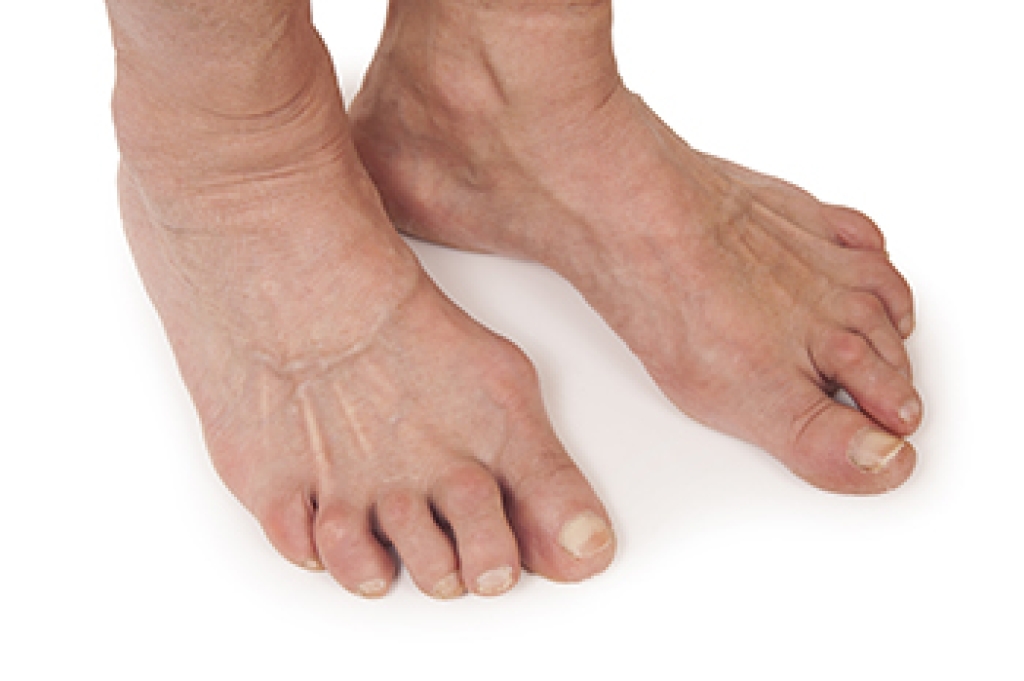
Ankle and foot arthropathies, including rheumatoid arthritis, or RA, are chronic conditions that cause joint inflammation, pain, and deformity. Rheumatoid arthritis is an autoimmune disease where the immune system mistakenly attacks healthy joint tissues, leading to swelling, stiffness, and damage, over time. In the feet and ankles, RA can cause pain, warmth, swelling, and visible deformities like bunions or hammertoes. It may lead to difficulty walking, joint instability, or stiffness, especially in the morning or after rest. The skin surrounding the affected joints may appear red and feel tender to the touch. A podiatrist plays a vital role in managing RA-related foot and ankle issues. They can evaluate joint function, order imaging tests, and develop a personalized treatment plan. Treatment includes custom orthotics, supportive footwear, targeted exercises, corticosteroid injections, or surgical correction, in advanced cases. Early care can slow joint damage and improve mobility. If arthritis is affecting your feet, it is suggested that you schedule an appointment with a podiatrist for effective relief and management tips.

Because RA affects more than just your joints, including the joints in your feet and ankles, it is important to seek early diagnosis from your podiatrist if you feel like the pain in your feet might be caused by RA. For more information, contact Dr. Thomas Tran of Southwestern Foot & Ankle Associates, P.C.. Our doctor will assist you with all of your podiatric concerns.

What Is Rheumatoid Arthritis?

Rheumatoid Arthritis (RA) is an autoimmune disorder in which the body’s own immune system attacks the membranes surrounding the joints. Inflammation of the lining and eventually the destruction of the joint’s cartilage and bone occur, causing severe pain and immobility.

Rheumatoid Arthritis of the Feet

Although RA usually attacks multiple bones and joints throughout the entire body, almost 90 percent of cases result in pain in the foot or ankle area.

Symptoms

  • Swelling and pain in the feet
  • Stiffness in the feet
  • Pain on the ball or sole of feet
  • Joint shift and deformation

Diagnosis

Quick diagnosis of RA in the feet is important so that the podiatrist can treat the area effectively. Your doctor will ask you about your medical history, occupation, and lifestyle to determine the origin of the condition. Rheumatoid Factor tests help to determine if someone is affected by the disease.

If you have any questions, please feel free to contact our office located in Frisco, TX . We offer the newest diagnostic and treatment technologies for all your foot care needs.

Read more about Rheumatoid Arthritis in the Feet

Understanding Ingrown Toenails and Finding Relief

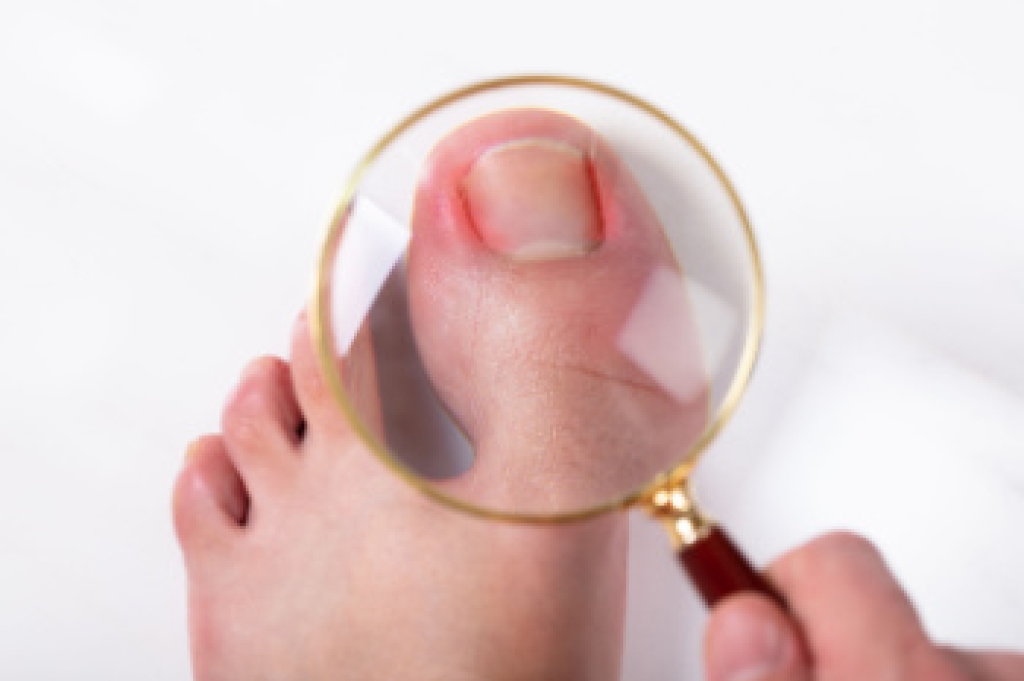
An ingrown toenail, or onychocryptosis, occurs when the edge of a toenail grows into the surrounding skin, often causing pain, redness, swelling, and sometimes infection. This condition most commonly affects the big toe and may result from improper nail trimming, wearing tight footwear, injury, or genetic factors. Risk increases with poor foot hygiene, curved nails, and activities that place repeated pressure on the toes. Symptoms include tenderness along the nail border, pus, and difficulty walking. A podiatrist can provide relief through gentle nail care, infection management, and guidance on prevention. If you have developed an ingrown toenail, it is suggested that you schedule an appointment with a podiatrist who can offer effective treatment solutions, which may include minor surgery.

Ingrown toenails can become painful if they are not treated properly. For more information about ingrown toenails, contact Dr. Thomas Tran of Southwestern Foot & Ankle Associates, P.C.. Our doctor can provide the care you need to keep you pain-free and on your feet.

Ingrown Toenails

Ingrown toenails occur when a toenail grows sideways into the bed of the nail, causing pain, swelling, and possibly infection.

Causes

  • Bacterial infections
  • Improper nail cutting such as cutting it too short or not straight across
  • Trauma to the toe, such as stubbing, which causes the nail to grow back irregularly
  • Ill-fitting shoes that bunch the toes too close together
  • Genetic predisposition

Prevention

Wearing proper fitting shoes and using proper cutting techniques will also help decrease your risk of developing ingrown toenails.

Treatment

Ingrown toenails are a very treatable foot condition. In minor cases, soaking the affected area in salt or antibacterial soaps will not only help with the ingrown nail itself, but also help prevent any infections from occurring. In more severe cases, surgery is an option. In either case, speaking to your podiatrist about this condition will help you get a better understanding of specific treatment options that are right for you.

If you have any questions, please feel free to contact our office located in Frisco, TX . We offer the newest diagnostic and treatment technologies for all your foot care needs.

Read more about Ingrown Toenail Care

Why Live with Pain and Numbness in Your Feet?

Suffering from this type of pain? You may have the foot condition known as Morton's neuroma. Morton's neuroma may develop as a result of ill-fitting footwear and existing foot deformities. We can help.

Understanding Causes and Symptoms of Bunions

A bunion is a bony bump that forms at the base of the big toe, as the top of the toe moves toward the lesser toes. This causes the joint to stick out and often leads to discomfort. Bunions develop over time due to genetics, wearing tight or narrow shoes, arthritis, or abnormal foot mechanics. Symptoms include a visible bump on the side of the foot, redness, swelling, and pain around the big toe joint. The area may feel tender or sore, especially when walking or wearing shoes. When the big toe leans toward the other toes, it sometimes results in overlapping or crowding. A podiatrist can diagnose bunions and recommend treatments like wider footwear, padding, custom orthotics, and exercises to reduce pressure and pain. In severe cases, surgery may be necessary to realign the joint. If you are dealing with a painful bunion, it is suggested that you make an appointment with a podiatrist 

If you are suffering from bunion pain, contact Dr. Thomas Tran of Southwestern Foot & Ankle Associates, P.C.. Our doctor can provide the care you need to keep you pain-free and on your feet.

What Is a Bunion?

Bunions are painful bony bumps that usually develop on the inside of the foot at the joint of the big toe. As the deformity increases over time, it may become painful to walk and wear shoes. Women are more likely to exacerbate existing bunions since they often wear tight, narrow shoes that shift their toes together. Bunion pain can be relieved by wearing wider shoes with enough room for the toes.

Causes

  • Genetics – some people inherit feet that are more prone to bunion development
  • Inflammatory Conditions - rheumatoid arthritis and polio may cause bunion development

Symptoms

  • Redness and inflammation
  • Pain and tenderness
  • Callus or corns on the bump
  • Restricted motion in the big toe

In order to diagnose your bunion, your podiatrist may ask about your medical history, symptoms, and general health. Your doctor might also order an x-ray to take a closer look at your feet. Nonsurgical treatment options include orthotics, padding, icing, changes in footwear, and medication. If nonsurgical treatments don’t alleviate your bunion pain, surgery may be necessary.

If you have any questions, please feel free to contact our office located in Frisco, TX . We offer the newest diagnostic and treatment technologies for all your foot care needs.

Read more about What Are Bunions?
Connect with us
google reviews