
(972) 335-9071


Southwestern Foot and Ankle Associates, P.C
11500 Highway 121, Building 700, Suite 710
Frisco, TX 75035

Blog

What Is a Plantar Fibroma?

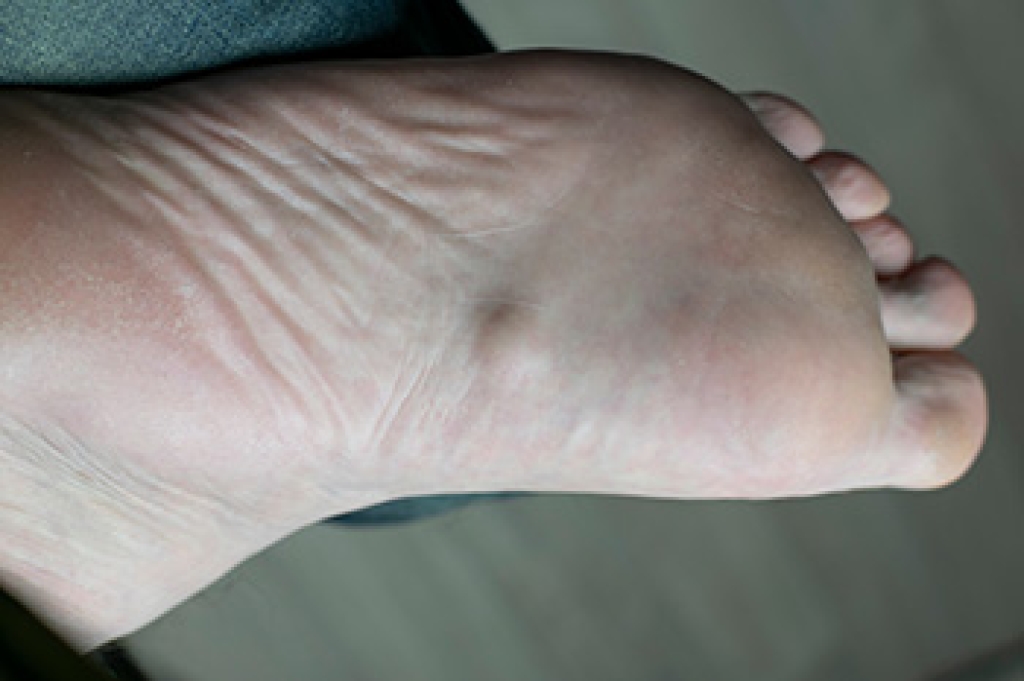
A plantar fibroma is a benign growth that develops in the plantar fascia, the thick band of tissue along the bottom of the foot. It appears as a firm lump that can cause pain or discomfort when walking or standing. The exact cause is unclear, but may involve genetic factors, foot trauma, or repetitive strain. Symptoms include tenderness, pressure pain, and stiffness in the arch. Relief may come from wearing supportive shoes, using orthotics, or applying gentle stretching and massage. A podiatrist can diagnose the condition, provide non-surgical treatments, and recommend advanced options, if needed. If you have developed a growth on the bottom of your foot, it is suggested that you consult a podiatrist who can offer effective relief and treatment solutions.

A plantar fibroma may disrupt your daily activities. If you have any concerns, contact Dr. Thomas Tran of Southwestern Foot & Ankle Associates, P.C.. Our doctor can provide the care you need to keep you pain-free and on your feet.

Plantar Fibroma

A plantar fibroma is a fibrous knot in the arch of the foot. It is embedded in the plantar fascia which is a band of tissue that extends from the heel to the toes along the bottom of the foot. There can be multiple plantar fibromas in the feet at the same time. There are no known causes for this condition. If you have a plantar fibroma, there will be a bump in the arch of your foot that cannot be missed. Any associated pain is most often due to a shoe rubbing against the nodule. Non-surgical options, such as steroid injections, physical therapy, and orthotics should be tried first. Surgery is a last resort and is the only thing that will remove a plantar fibroma entirely. Consult with a podiatrist for a proper diagnosis and to determine the treatment regimen that is right for you.

What Causes a Plantar Fibroma?

While there are no specific causes identified, a plantar fibroma can possibly come from genetic predisposition or the formation of scar tissue that forms from healing the tears in the plantar fascia.

What Are the Symptoms of a Plantar Fibroma?

There will be a noticeable lump in the arch of the foot that may or may not cause pain. If pain is felt, it is typically because a shoe is rubbing up against the lump or when walking or standing barefoot.

Treatment and Prevention

A plantar fibroma will not disappear without treatment, but it can get smaller and be a non-issue. If pain persists, a podiatrist examines the foot and when the arch of the foot is pressed, pain can be felt down to the toes. An MRI or biopsy might be performed to help diagnose or evaluate the plantar fibroma. The following non-surgical options are generally enough to reduce the size and pain of these nodules:

  • Steroid injections
  • Orthotics
  • Physical therapy to help apply anti-inflammatory creams on the bump 

Surgery is considered if the mass increases in size and the patient continues to feel pain after non-surgical methods are tried.

If you have any questions, please feel free to contact our office located in Frisco, TX . We offer the newest diagnostic and treatment technologies for all your foot care needs.

Read more about Plantar Fibroma

Children’s Walking Patterns

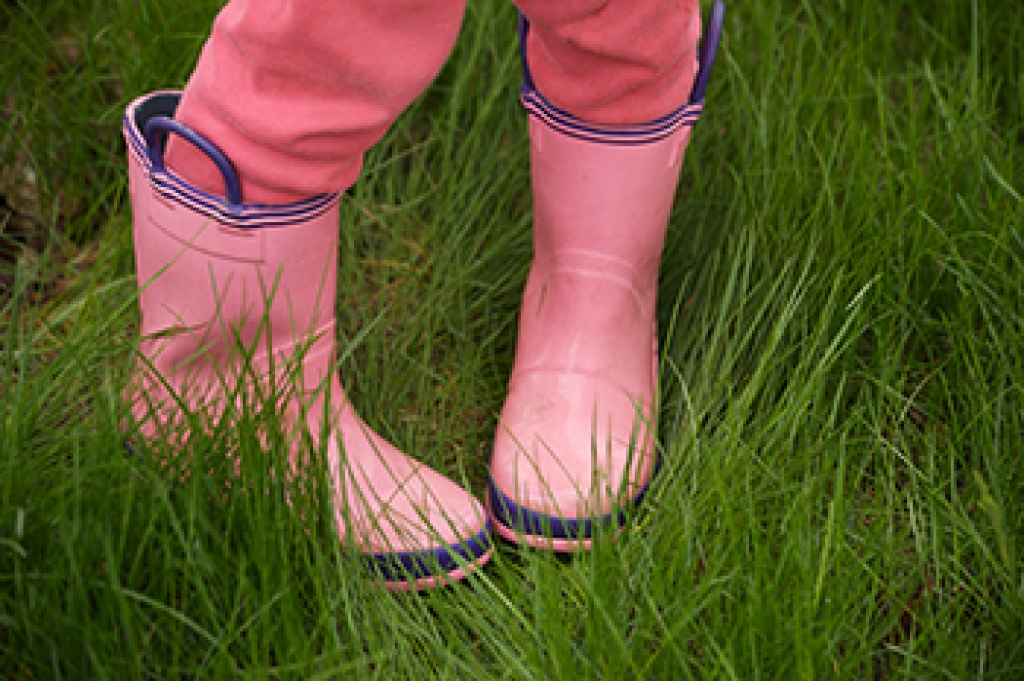
Walking irregularities in children, such as in-toeing, out-toeing, limping, and toe-walking, are fairly common and can result from various developmental factors. These patterns may develop due to natural variations in bone structure as a child grows, such as hip rotation or curved shin bones. Some children may have flat feet, loose ligaments, or muscle imbalances that contribute to unusual walking styles. Genetics, birth conditions, and early habits, like prolonged toe-walking, can also play a role. Many of these irregular walking patterns resolve as children grow and their bones and muscles strengthen. However, if your child experiences pain, frequent tripping, or if the issue persists beyond early childhood, it is suggested that a podiatrist be contacted for an evaluation. Treatment may include stretching exercises or custom orthotics to encourage normal walking patterns, and prevent long-term issues with balance and mobility.

The health of a child’s feet is vital to their overall well-being. If you have any questions regarding foot health, contact Dr. Thomas Tran of Southwestern Foot & Ankle Associates, P.C.. Our doctor can provide the care you need to keep you pain-free and on your feet.

Tips for Keeping Children's Feet Healthy

  • Make sure their shoes fit properly
  • Look for any signs of in-toeing or out-toeing
  • Check to see if they have Clubfoot (condition that affects your child’s foot and ankle, twisting the heel and toes inward) which is one of the most common nonmajor birth defects.
  • Lightly cover your baby’s feet (Tight covers may keep your baby from moving their feet freely, and could prevent normal development)
  • Allow your toddler to go shoeless (Shoes can be restricting for a young child’s foot)
  • Cut toenails straight across to avoid ingrown toenails
  • Keep your child’s foot clean and dry
  • Cover cuts and scrapes. Wash any scratches with soap and water and cover them with a bandage until they’ve healed.

If you have any questions, please feel free to contact our office located in Frisco, TX . We offer the newest diagnostic and treatment technologies for all your foot care needs.
Read more about What to Do to Keep Your Child’s Feet Healthy

Fall Prevention and Foot Health Tips for Seniors

Falls are a serious concern for seniors, often leading to fractures, sprains, and long-term foot or ankle issues. Simple home modifications can greatly reduce risk. Remove boxes and newspapers from walking paths, tape down loose rugs, use nonslip mats in bathrooms, and install night lights to improve visibility. Staying strong through regular exercise enhances balance and stability. Foot conditions, such as plantar fasciitis, bunions, or neuropathy, can increase fall risk. A podiatrist can assess foot health, recommend supportive footwear or orthotics, and provide exercises to improve balance. If you have fallen and have injured your foot or ankle, it is suggested that you consult a podiatrist who can treat various foot conditions, and guide you on additional fall prevention tips.

Preventing falls among the elderly is very important. If you are older and have fallen or fear that you are prone to falling, consult with Dr. Thomas Tran from Southwestern Foot & Ankle Associates, P.C.. Our doctor will assess your condition and provide you with quality advice and care.

Every 11 seconds, an elderly American is being treated in an emergency room for a fall related injury. Falls are the leading cause of head and hip injuries for those 65 and older. Due to decreases in strength, balance, senses, and lack of awareness, elderly persons are very susceptible to falling. Thankfully, there are a number of things older persons can do to prevent falls.

How to Prevent Falls

Some effective methods that older persons can do to prevent falls include:

  • Enrolling in strength and balance exercise program to increase balance and strength
  • Periodically having your sight and hearing checked
  • Discuss any medications you have with a doctor to see if it increases the risk of falling
  • Clearing the house of falling hazards and installing devices like grab bars and railings
  • Utilizing a walker or cane
  • Wearing shoes that provide good support and cushioning
  • Talking to family members about falling and increasing awareness

Falling can be a traumatic and embarrassing experience for elderly persons; this can make them less willing to leave the house, and less willing to talk to someone about their fears of falling. Doing such things, however, will increase the likelihood of tripping or losing one’s balance. Knowing the causes of falling and how to prevent them is the best way to mitigate the risk of serious injury.  

If you have any questions, please feel free to contact our office located in Frisco, TX . We offer the newest diagnostic and treatment technologies for all your foot care needs.

Read more about Falls Prevention

What You Need to Know About a Tailors Bunion

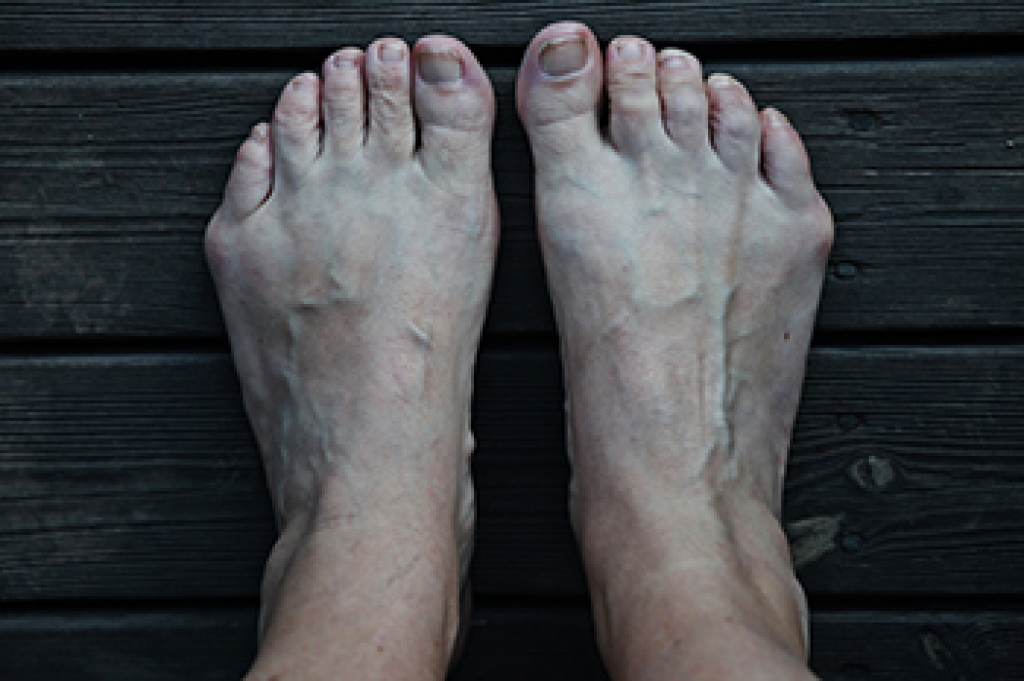
A tailor’s bunion, also known as a bunionette, is a painful bump that forms on the outside of the foot at the base of the little toe. It may appear red, swollen, or callused and often becomes irritated by tight or narrow shoes. The condition can feel sore or sharp when walking or wearing certain shoes. Causes include inherited foot structure, pressure from ill-fitting shoes, or abnormal foot mechanics. Symptoms may worsen over time if left untreated. A podiatrist can diagnose a tailor's bunion through a physical exam and imaging, such as X-rays, to assess the alignment of the toe and surrounding joints. Conservative treatment options include shoe modifications, padding, and orthotics to reduce pressure. Anti-inflammatory medications may be prescribed for pain relief. In more severe cases, surgery may be recommended to realign the toe and remove the bony prominence. It is suggested that you make an appointment with a podiatrist for proper diagnosis and personalized treatment.

If you are suffering from bunions, contact Dr. Thomas Tran of Southwestern Foot & Ankle Associates, P.C.. Our doctor can provide the care you need to keep you pain-free and on your feet.

What Is a Bunion?

A bunion is formed of swollen tissue or an enlargement of boney growth, usually located at the base joint of the toe that connects to the foot. The swelling occurs due to the bones in the big toe shifting inward, which impacts the other toes of the foot. This causes the area around the base of the big toe to become inflamed and painful.

Why Do Bunions Form?

Genetics – Susceptibility to bunions are often hereditary

Stress on the feet – Poorly fitted and uncomfortable footwear that places stress on feet, such as heels, can worsen existing bunions

How Are Bunions Diagnosed?

Podiatrists often perform two tests – blood tests and x-rays – when trying to diagnose bunions, especially in the early stages of development. Blood tests help determine if the foot pain is being caused by something else, such as arthritis, while x-rays provide a clear picture of your bone structure to your provider.

How Are Bunions Treated?

  • Refrain from wearing heels or similar shoes that cause discomfort
  • Select wider shoes that can provide more comfort and reduce pain
  • Anti-inflammatory and pain management drugs
  • Orthotics or foot inserts
  • Surgery

If you have any questions, please feel free to contact our office located in Frisco, TX . We offer the newest diagnostic and treatment technologies for all your foot care needs.

Read more about Bunions

Are You Suffering From Ingrown Toenails?

If left untreated, an ingrown toenail can lead to more serious concerns, such as an infection. Knowing proper nail care can help in the prevention of an ingrown toenail. Give us a call, and get treated!

Connect with us
google reviews